Creating a successful website is a journey full of learning and, yes, mistakes. Over time, I’ve gathered valuable lessons from my own experiences and want to share them with you. Avoiding these common errors can save you time, money, and frustration whether you’re building a personal blog, an online store, or a business site.
Poor Goal Setting and Planning
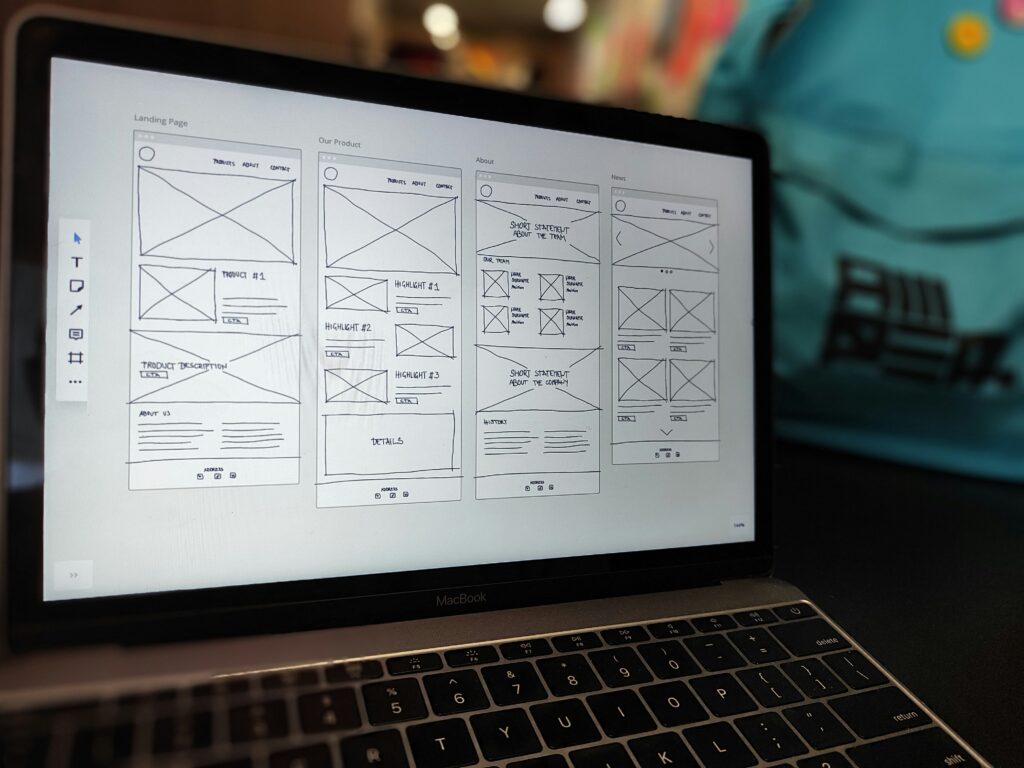
One of the largest errors I committed was launching website development without first having well-defined goals or knowing exactly what audience I was targeting. Without a clear direction, my site became disorienting, frustrating visitors and watering down my message. This also meant wasted effort on extraneous features. To avoid this, start by outlining your website’s purpose—whether it’s to showcase your portfolio, sell products, or share your expertise. Identify your target audience’s needs and preferences, and create a sitemap and wireframes to visualize your website structure. This upfront planning serves as a blueprint, keeping your project focused and on track.
Neglecting User Experience (UX)
A cluttered layout or confusing navigation can quickly drive visitors away. Early on, I understood that highly confusing menus and ambiguous site organization made users angry. A good user experience should be easy and intuitive. Make the navigation simple with descriptive labels, rationally organize related content, and reduce clicks to get to important pages. Employ readable fonts and lots of white space to make surfing enjoyable. Don’t forget, a seamless UX keeps visitors longer and more engaged with your website.

Disregarding Mobile Optimization
Designing only for the desktop was another mistake I made. With the majority of users accessing through smartphones and tablets, a non-responsive website loses a substantial amount of potential visitors. Responsive design makes your site adjust dynamically to any screen size. Testing regularly on different devices is crucial. Make fonts readable, buttons tap-friendly, and images optimized for quicker loading on mobile networks. Giving top priority to mobile users greatly enhances engagement and search rankings.
Slow Page Loading
Large image files, excess plugins, and low-cost hosting all contributed to agonizingly slow page loads on my first sites. Users typically leave sites that take longer than a few seconds to load, and Google also punishes slow pages in search rankings. To fight this, compress images without hurting quality, reduce plugin usage to the essentials, utilize caching, and pay for quality hosting with good performance. Regularly monitor your site speed with tools such as Google PageSpeed Insights so that your site doesn’t slow down.
Overloading with Too Much Content or Features
Glad to do it all at once, I overpopulated my site with too many pages and features, which bombarded users and obscured my central message. Users like simplicity and direction; too many choices will confuse and distract them. Begin with key content that underscores your primary objectives, and introduce features incrementally in response to user feedback. This makes your site more manageable, simpler to upkeep, and more reliable to your users.
Poor Calls to Action (CTAs)
I also underappreciated the strength of good direction. No or poor CTAs meant visitors weren’t sure what to do next, whether to sign up, buy, or get in touch. Good CTAs are action-based, benefit-led, and visually prominent. Use copy like “Get Started,” “Learn More,” or “Buy Now,” and put CTAs strategically on important pages. Test variations to find which gets the most engagement.
Not Building for Scalability
I constructed sites that were only a short-term solution, which subsequently needed to be redesigned at great expense to accommodate growth. Scalability planning involves selecting scalable platforms, modular architecture, and cloud-hosting options. Consider ahead of time features such as e-commerce, membership, or multi-language support. Developing with the future in mind prevents headaches as your business and audience grow.
Finally, I would like to mention this great quote “Your best teacher is your last mistake.” – Ralph Nader as it teaches us about how mistakes can become your best teacher.
Moz: Beginner’s Guide to Website Planning and Design
https://moz.com/beginners-guide-to-seo/website-planning
For more articles visit my blog
Read More : https://blogwithsid.com